
- The checks come first
- Your vehicle and local requirements
- The Driver app
The checks come first
Before a driver carries passengers, there are screening and documentation steps to complete. The exact licensing, insurance and vehicle requirements depend on the city and province, so applicants should use current WomenFirst hiring guidance rather than an old checklist from another market.
This part can take longer than people expect, but it is deliberate. A ride-hailing service built around trust has to treat driver verification as part of the product, not as paperwork to rush through.
Your vehicle and local requirements
Your vehicle needs to meet the standards that apply where you plan to drive. That may involve registration, inspections, insurance or other local requirements. WomenFirst’s hiring team can explain the current process for your city and help you understand what has to happen before activation.
Do not spend money on a document or policy just because another driver in another province needed it. Local rules change, and the right sequence matters.
The Driver app
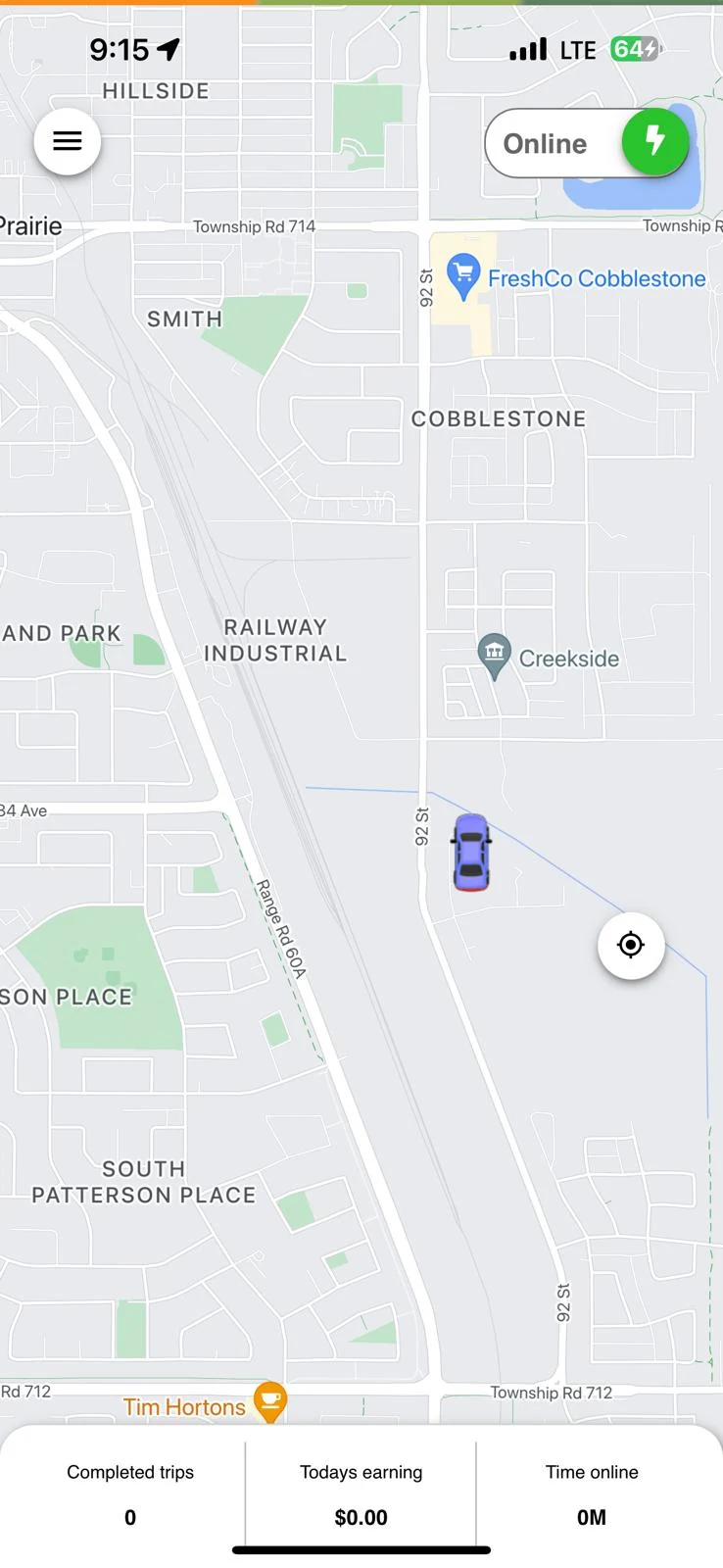
Once you are approved, the Driver app becomes the centre of the working day. It can show ride requests, trip information, scheduled trips and activity information in one place. Drivers should become comfortable with the app before relying on it during a busy period.
Good app habits are simple: keep your phone charged, make sure notifications are working, review the full request before accepting and contact support when something looks wrong.

Flexible does not mean unsupported
Flexible driving is valuable because you can build availability around the rest of your life. But flexibility works best when you still plan your hours, know when demand tends to be higher and protect time for breaks.
WomenFirst also keeps a real operations team behind the app. Drivers are not expected to solve every rider, booking or technical problem alone.
Source note: this page builds on WomenFirst’s verified public archive. View the original source →
Plan driving with WomenFirst around the real journey
What driving with WomenFirst actually involves is most useful when the plan reflects the actual people, timing and destination involved. Start with driver eligibility, vehicle readiness and your available hours. Confirm onboarding steps and day-to-day support expectations before anyone is ready to leave, then share the important details with the rider or driver in plain language. This preparation is not about making a simple trip complicated. It is about removing avoidable uncertainty while there is still time to adjust. For this topic, the practical goal is understanding the work before accepting trips. Keep the plan realistic for the day, including weather, mobility needs, luggage, children, work commitments or other details that could change how the journey should run.
Check the details that matter for driving with WomenFirst
Before committing to the next step, review request handling, rider communication and safety procedure. Look for information that is current and specific rather than relying on assumptions from a previous trip. If something is unclear, pause and confirm it through the app or with WomenFirst support. A good check should also cover expenses, local rules and schedule boundaries. Those details help everyone understand what will happen, who is responsible for each decision and when a change needs attention. In the context of What driving with WomenFirst actually involves, this creates a calmer experience because expectations are visible early. Save any useful confirmation, keep contact details available and allow enough time to respond if the original arrangement needs to change.
Use driving with WomenFirst step by step
When the journey begins, work through the plan in a calm order instead of trying to solve every detail at once. Start with driver eligibility, vehicle readiness and your available hours, then verify onboarding steps and day-to-day support expectations. Keep the next decision visible and explain any change in direct language so the people involved know what is happening. During What driving with WomenFirst actually involves, compare the live situation with the information reviewed earlier. A small change in timing, access or communication can affect the rest of the trip, so update the plan before it becomes a larger problem. The standard to aim for is understanding the work before accepting trips. If the available information no longer supports that outcome, use the appropriate support channel and agree on a safe, practical next step.
Build safety and support into driving with WomenFirst
Safety is strongest when it is part of the ordinary process rather than a last-minute reaction. For What driving with WomenFirst actually involves, make onboarding steps and day-to-day support expectations easy to find and understand. Confirm who should be contacted, what information they genuinely need and what can remain private. Also account for expenses, local rules and schedule boundaries, because a reliable plan includes the details that affect comfort, access and timing as well as the route itself. If the rider, driver or coordinator feels uncertain, stop and check rather than filling the gap with an assumption. WomenFirst support can help clarify a booking or journey, but immediate danger should always be handled through the appropriate local emergency service. Clear boundaries make support faster and help protect everyone involved.
Avoid common gaps in driving with WomenFirst
Problems often begin when a familiar trip is treated as if nothing could have changed. Do not skip request handling, rider communication and safety procedure simply because a similar journey worked before. Check current information, allow for realistic delays and make sure the pickup or handoff can be understood by someone who was not part of the original conversation. Another common gap is collecting details without deciding what action they support. Focus on which trip habits supported reliable service and remove anything that does not help a real decision. If the plan changes, communicate the change once, clearly, through the agreed channel. The practical next move is reviewing the full driver journey from application to completed ride. That is more useful than adding extra instructions that nobody can reliably follow during the journey.
Turn driving with WomenFirst into a repeatable routine
After the journey, note what made What driving with WomenFirst actually involves work well and what you would change next time. Useful observations include which trip habits supported reliable service. Keep only the details that make a future decision easier; personal or sensitive information should not be stored unnecessarily. For recurring travel, build a short checklist with the pickup window, essential contact method and the one or two requirements that cannot be missed. The best next action is reviewing the full driver journey from application to completed ride. That gives riders, families, drivers or coordinators a clear starting point without pretending every trip is identical. Review the routine whenever circumstances change so the guidance remains relevant, respectful and practical for the people using it.
WomenFirst
Need help with a ride?
Book through the WomenFirst Rider app or contact our support team if you have a question about a journey.