
- Start with your city
- Complete screening and documents
- Prepare the vehicle
Start with your city
Driver requirements are local. Before collecting documents or changing insurance, confirm which WomenFirst market you want to drive in and ask for the current checklist.
This prevents applicants from spending time or money on something that applies in another province or municipality.
Complete screening and documents
Expect identity, licensing, driving-record and vehicle-related checks. Passenger transportation has real regulatory requirements, and WomenFirst treats them as part of onboarding rather than optional paperwork.
Submit clear, current documents and ask questions when a requirement is unfamiliar.
Prepare the vehicle
Your vehicle must meet the standards that apply to the market. Keep registration, insurance and any required inspection information organized so renewals do not become a last-minute problem.
A clean, dependable vehicle is also part of the rider experience.

Learn the app before your first busy shift
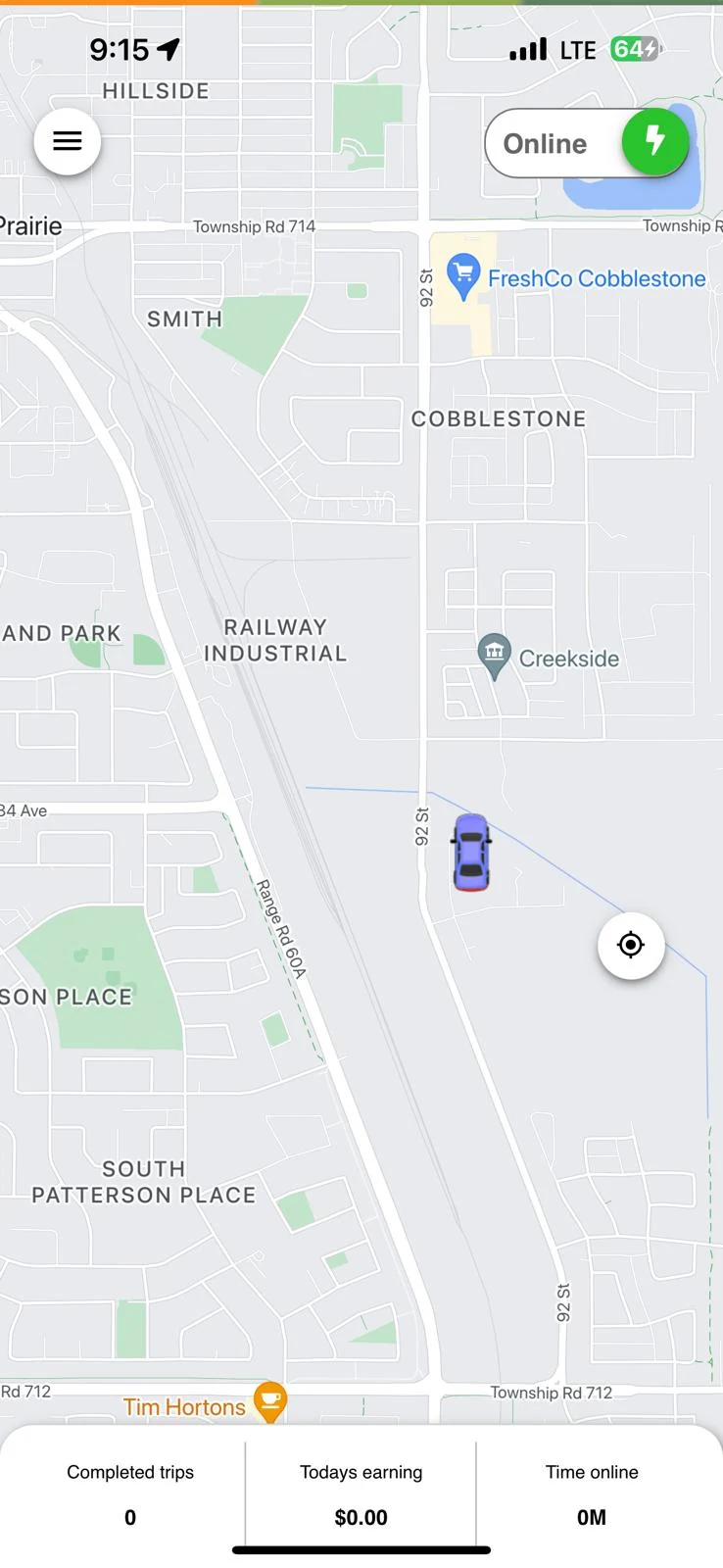
Practice going online, reading requests and finding scheduled trips before you depend on the Driver app under time pressure.
WomenFirst support is available if something in the app or onboarding process does not make sense.
Plan becoming a WomenFirst driver around the real journey
How to become a WomenFirst driver: what to expect is most useful when the plan reflects the actual people, timing and destination involved. Start with eligibility, documents, vehicle condition and your goals. Confirm the onboarding sequence and support available before anyone is ready to leave, then share the important details with the rider or driver in plain language. This preparation is not about making a simple trip complicated. It is about removing avoidable uncertainty while there is still time to adjust. For this topic, the practical goal is making an informed application decision. Keep the plan realistic for the day, including weather, mobility needs, luggage, children, work commitments or other details that could change how the journey should run.
Check the details that matter for becoming a WomenFirst driver
Before committing to the next step, review screening, training and app readiness. Look for information that is current and specific rather than relying on assumptions from a previous trip. If something is unclear, pause and confirm it through the app or with WomenFirst support. A good check should also cover operating costs, schedule expectations and local rules. Those details help everyone understand what will happen, who is responsible for each decision and when a change needs attention. In the context of How to become a WomenFirst driver: what to expect, this creates a calmer experience because expectations are visible early. Save any useful confirmation, keep contact details available and allow enough time to respond if the original arrangement needs to change.
Use becoming a WomenFirst driver step by step
When the journey begins, work through the plan in a calm order instead of trying to solve every detail at once. Start with eligibility, documents, vehicle condition and your goals, then verify the onboarding sequence and support available. Keep the next decision visible and explain any change in direct language so the people involved know what is happening. During How to become a WomenFirst driver: what to expect, compare the live situation with the information reviewed earlier. A small change in timing, access or communication can affect the rest of the trip, so update the plan before it becomes a larger problem. The standard to aim for is making an informed application decision. If the available information no longer supports that outcome, use the appropriate support channel and agree on a safe, practical next step.
Build safety and support into becoming a WomenFirst driver
Safety is strongest when it is part of the ordinary process rather than a last-minute reaction. For How to become a WomenFirst driver: what to expect, make the onboarding sequence and support available easy to find and understand. Confirm who should be contacted, what information they genuinely need and what can remain private. Also account for operating costs, schedule expectations and local rules, because a reliable plan includes the details that affect comfort, access and timing as well as the route itself. If the rider, driver or coordinator feels uncertain, stop and check rather than filling the gap with an assumption. WomenFirst support can help clarify a booking or journey, but immediate danger should always be handled through the appropriate local emergency service. Clear boundaries make support faster and help protect everyone involved.
Avoid common gaps in becoming a WomenFirst driver
Problems often begin when a familiar trip is treated as if nothing could have changed. Do not skip screening, training and app readiness simply because a similar journey worked before. Check current information, allow for realistic delays and make sure the pickup or handoff can be understood by someone who was not part of the original conversation. Another common gap is collecting details without deciding what action they support. Focus on which preparation made onboarding clearer and remove anything that does not help a real decision. If the plan changes, communicate the change once, clearly, through the agreed channel. The practical next move is gathering accurate documents before starting the application. That is more useful than adding extra instructions that nobody can reliably follow during the journey.
Turn becoming a WomenFirst driver into a repeatable routine
After the journey, note what made How to become a WomenFirst driver: what to expect work well and what you would change next time. Useful observations include which preparation made onboarding clearer. Keep only the details that make a future decision easier; personal or sensitive information should not be stored unnecessarily. For recurring travel, build a short checklist with the pickup window, essential contact method and the one or two requirements that cannot be missed. The best next action is gathering accurate documents before starting the application. That gives riders, families, drivers or coordinators a clear starting point without pretending every trip is identical. Review the routine whenever circumstances change so the guidance remains relevant, respectful and practical for the people using it.
WomenFirst
Need help with a ride?
Book through the WomenFirst Rider app or contact our support team if you have a question about a journey.